

Keeping Bones Strong as We Age
Bone building and breakdown is a continuous process that maintains the integrity of the skeleton and replaces damaged bone. Between 5 and 10% of the adult skeleton is replaced by the process of bone remodeling every year.[1] Bone turnover rates are highest during periods of rapid growth, including puberty, and decline to their lowest around age 40.[2] When bone breakdown exceeds new bone growth, this can lead to the development of osteopenia (low bone mineral density). If untreated, osteopenia can progress to osteoporosis, which increases the risk of fracture.[3]
Women, Caucasians, and the elderly are at the greatest risk for osteoporosis.[4] Postmenopausal women are particularly vulnerable due to the decline in bone-protective estrogen; for men, there is a more gradual age-related decline in new bone production.[5] Secondary causes of osteoporosis include calcium and vitamin D deficiencies, various gastrointestinal and endocrine disorders such as celiac disease and hyperthyroidism, and certain medications including glucocorticoids and chemotherapeutics, amongst others.[6]
Osteoporosis is a preventable and treatable disease that presents with no warning signs prior to a fracture, making maintaining bone health and preventative measures an important part of supporting healthy aging amongst adults.[7]

Protein
Protein is an essential macronutrient for maintaining both the integrity of bone and muscle mass. A large study examining protein intake amongst postmenopausal women and the risk of hip fracture found that as protein intake increased, the risk of hip fracture is decreased.[8] Overall muscle mass is also a key predictor of recovery following a fracture: Insufficient muscle mass contributes to poor postfracture outcomes and failure to return to function.[9]
A systematic review and meta-analysis found that a higher protein intake (defined as greater than 90 g of protein daily, or 1.4 g of protein per kg of body weight per day), in comparison to a lower protein intake (less than 80 g of protein daily, or 0.8 g of protein per kg of body weight per day) is more protective for bone mineral density.[10] Top sources of protein include:
| Rank | Protein Source | Protein per 1 Cup (Cooked) |
| 1 | Chicken Breast (chopped) | ≈ 38 g |
| 2 | Canned Tuna (in water) | ≈ 39 g |
| 3 | Tempeh | ≈ 31 g |
| 4 | Eggs (about 5 large) | ≈ 30 g |
| 5 | Cottage Cheese (low-fat) | ≈ 28 g |
| 6 | Tofu (firm) | ≈ 20 g |
| 7 | Greek Yogurt (plain, nonfat) | ≈ 20 g |
| 8 | Lentils (cooked) | ≈ 18 g |
| 9 | Black Beans (cooked) | ≈ 15 g |
| 10 | Quinoa (cooked) | ≈ 8 g |
The type of protein consumed does not seem to significantly impact bone mineral density (animal versus soy versus legume).[11], [12] However, protein intake is generally lower amongst vegetarians and vegans in comparison to omnivores,[13] and therefore is an important dietary consideration for bone health amongst those following plant-based diets.
Vitamin D
Vitamin D has a wide range of physiological roles including immune and hormonal regulation, and it plays a crucial role in maintaining bone health.[14] Vitamin D helps to regulate calcium balance by promoting the absorption of calcium from the gut and supporting the process of bone building and mineralization. A deficiency of vitamin D can cause the bones to soften and increase the risk of osteoporosis.[15]
Higher serum levels of vitamin D have been associated with a reduced incidence of nonvertebral and hip fractures, while lower serum vitamin D levels have also been associated with reduced grip strength and muscle mass, two key features involved in the risk of falls. Supplementation with vitamin D3 was found to improve strength and balance, thereby reducing the incidence of falls.[16]
Deficiency is most common amongst those with low sunshine exposure, are obese, have increased skin pigmentation, or are older.[17] Vitamin D deficiency is a global issue. To maintain optimal vitamin D status, supplementation is often required and is the easiest solution.[18]
| Natural Sources of Vitamin D [19] | |||
| Source Type | Details | ||
| Sunlight (UVB): Primary source | Vitamin D is synthesized in the skin through exposure to UVB rays without sunscreen. | ||
| Fair Skin: 10–15 minutes, 3–4× per week on face, arms, or legs exposed to midday sun (10 a.m. to 2 p.m.) | Medium Skin: 15–25 minutes, 3–4× per week; may need slightly longer exposure due to melanin levels | Dark Skin: ≥ 30–45 minutes, 3–4× per week; more melanin reduces vitamin D synthesis efficiency, therefore longer exposure is needed | |
| Dietary Intake: Contributes a smaller portion | Fatty fish (salmon, sardines, mackerel, trout, tuna) are among the richest sourcesEgg yolks contain small but significant amountsFortified dairy (milk, cheese, yogurt) is often enriched with vitamin DFortified plant-based milks (soy, almond, oat)—check labels for added vitamin DCod liver oil is a traditional, highly concentrated sourceLiver, such as beef liver, provides small amounts | ||

Exercise
Exercise is another crucial lifestyle factor for maintaining bone mineral density. The forces applied to bone during exercise can help to stimulate bone building.[20] Although all types of physical activity can be beneficial for maintaining bone strength, impact and resistance training tend to offer greater bone mineral density (BMD) benefits in comparison to aerobic, low-impact activity.[21] Strength training not only increases BMD but also improves muscle strength and balance, key factors involved in the risk of falls.[22]
Current exercise recommendations for those with osteoporosis and osteopenia include:[23]
| Exercise Type | Frequency | Details |
| Resistance Training | 2–3 times per week | 3–10 movements targeting major muscle groups |
| Impact Exercises | ≥ 3 times per week | Activities like jump rope to stimulate bone density |
Calcium
As a key building block of bone, calcium is stored within the bone in the form of hydroxyapatite.[24] Calcium balance within the body is in part maintained by serum vitamin D, as noted previously, but also by the parathyroid gland. When levels of calcium in the blood rise, calcium is shuttled into the bone; when blood calcium levels decline, calcium is released from the bone and into the bloodstream.[25] To maintain bone health, calcium must be consumed in the diet.
| Group | Recommended Daily Intake [26] |
| Women (19–50 years) | 1,000 mg |
| Pregnant or Lactating Women | 1,000 mg |
| Men (19–70 years) | 1,000 mg |
| Women (≥ 51 years) | 1,200 mg |
| Men (≥ 71 years) | 1,200 mg |
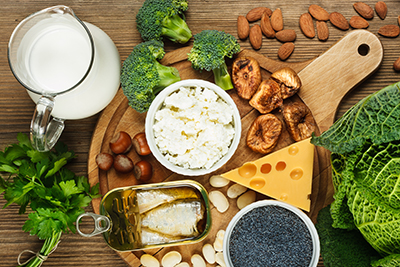
Food sources of calcium include dairy products (milk, cheese, yogurt), calcium-fortified juices and nondairy plant-based milks, dark leafy green vegetables, almonds, edamame, and sardines.[27]
Whenever possible, it is recommended to obtain the recommended calcium intake from food first, as high-dose calcium supplements have been associated with kidney stones and cardiovascular disease.[28] If it is not possible to achieve sufficient calcium intake through diet alone, supplementation may be used as a top-up. However, even with a diagnosis of osteoporosis, it is not recommended to exceed an intake of 1,200 mg calcium daily, and it is also important to not exceed 500 mg at one time, as high dosages of calcium can impede calcium absorption.[29]
Conclusion
Maintaining bone health is a lifelong commitment that hinges on the right balance of nutrients, regular physical activity, and lifestyle choices. By prioritizing adequate protein, vitamin D, and calcium, alongside resistance and impact-based exercise, individuals can support strong bones, reduce the risk of osteoporosis, and promote healthy aging. Prevention starts early, and even small, consistent efforts can lead to long-term skeletal strength and resilience.